Fire safety systems do not all handle heat in the same way. A standard fire barrier slows the spread of flames and heat during a common fire event. A jet fire barrier faces a far more intense threat. It must stand up to high heat, pressure, and fast flame impact. That difference shapes the way teams plan, test, and build each system. In many projects, fire barrier construction plays a direct role in how well the system performs under stress. Material choice also plays a big part in site performance. Clear information helps decision-makers avoid poor matches and costly issues later.
Standard Fire Barrier Basics
What a Standard Fire Barrier Does
A standard fire barrier is designed to slow down the spread of fire and heat. It can contain a fire within a specific area and prevent it from affecting other parts of the building. These barriers are usually made of materials that can withstand high temperatures for a certain period. They do not stop the fire entirely but provide a delay that can help people evacuate and reduce property damage. The goal is to maintain structural integrity for a certain time during a fire event. Standard fire barriers are tested to meet specific time ratings, such as 1 hour, 2 hours, or more, depending on the fire risk level.
Standard fire barriers are typically made of fire-resistant materials like drywall, concrete, or fire-rated doors and windows. These materials help to contain the fire and prevent it from spreading quickly. They are designed for use in areas with typical fire risks, such as offices, residential buildings, and commercial spaces.
Common Places That Use Standard Fire Barriers
Standard fire barriers are commonly found in buildings with moderate fire risks. You will often find them in offices, schools, hospitals, and apartment complexes. They are used to divide areas into smaller fire-resistant compartments. This limits the damage caused by fire and allows people to escape safely. In residential buildings, they are often installed in walls, ceilings, and floors to prevent fires from spreading between rooms or floors.
Another common place where standard fire barriers are used is in commercial buildings. These structures need to follow strict safety codes, and fire barriers help meet those requirements. Fire barriers are also used in industrial settings, particularly in areas where chemicals or flammable materials are stored. Fire barriers help protect critical infrastructure and allow workers more time to react in case of a fire.
Jet Fire Barrier Basics
What Makes a Jet Fire Different
A jet fire is much more intense than a typical fire. It is fast, high in temperature, and usually created by fuel-based fires or gas leaks. The flames from a jet fire can reach over 1,000°C (1,800°F) and move quickly, creating a unique challenge for fire protection. A jet fire barrier must withstand both extreme heat and pressure. Unlike standard fire barriers, jet fire barriers are built to resist this rapid, high-temperature flame. These barriers are designed with special materials that can endure such intense conditions for a longer time.
The materials used for jet fire barriers are much tougher. They are often made from fireproof insulation, coatings, or advanced composites that can hold up against the heat and force. These barriers are tested to ensure they will last for a long period when exposed to jet fires, unlike regular barriers that are designed to handle more typical fires.
Where Jet Fire Barriers Are Often Installed
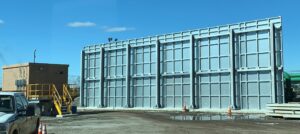
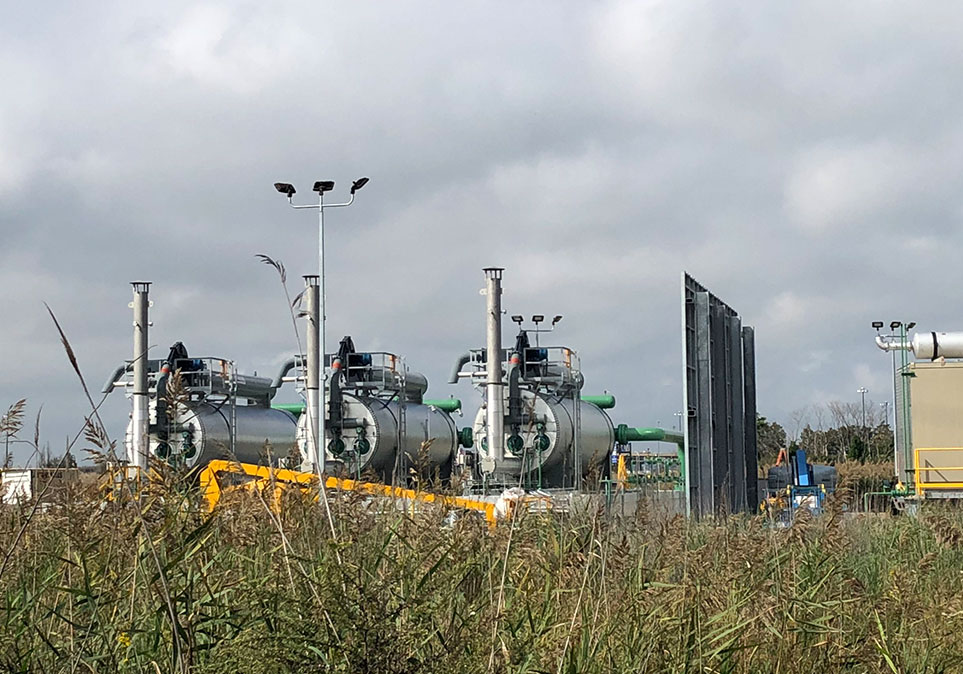
Jet fire barriers are mainly installed in high-risk environments. They are common in the oil and gas industry, where gas leaks or explosions can happen. These barriers are found in refineries, offshore platforms, and chemical plants, where the risk of a jet fire is higher. You’ll also find jet fire barriers in power plants and areas with large fuel storage. In these places, jet fire barriers protect critical infrastructure and equipment from severe damage.
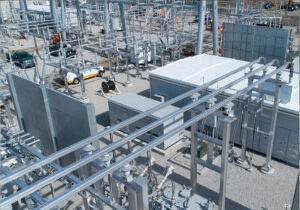
Jet fire barriers are often installed around equipment, pipelines, and storage units that carry flammable substances. These barriers provide an added layer of protection to keep the fire from spreading. They are also used around control rooms, power generation units, and electrical equipment, where people need more time to react to a fire.
Heat, Pressure, and Flame Impact
How Standard Fire Barriers Handle Heat
Standard fire barriers are made to resist heat for a set amount of time. The materials used, such as drywall or concrete, help slow down the spread of heat and flames. These barriers work by absorbing heat and preventing it from passing through to the other side. For example, a typical standard fire barrier can handle temperatures up to 1,000°F for a set period, usually 1 to 2 hours. The goal is to give people enough time to evacuate or for firefighters to take action.
While standard fire barriers are effective against moderate heat, they cannot withstand the extreme conditions of a jet fire. They’re built for typical fire risks, such as those found in residential or commercial spaces. The protection they provide is important, but it’s not designed for the high heat levels that jet fire barriers face.
Why Jet Fire Barriers Need Higher Resistance
Jet fire barriers must handle much more extreme conditions. These barriers are designed for high heat and pressure. Jet fires produce flames that can exceed 1,800°F, much hotter than standard fires. On top of the intense heat, jet fires often come with high-speed, forceful flames. The pressure and movement from these flames make the situation even worse. That’s why jet fire barriers need to be built with more durable materials, such as advanced fire-resistant insulation and coatings.
These barriers are made to last much longer than standard ones when exposed to jet fire conditions. They are tested for up to 120 minutes or more in extreme heat and pressure. This long-lasting resistance is necessary in environments like oil rigs or chemical plants, where a jet fire can cause severe damage. The higher resistance protects structures and equipment from destruction, buying more time for people to respond.
Materials and System Design
Materials Used in Standard Fire Barriers
Standard fire barriers are made from materials that can resist fire for a limited amount of time. Common materials include gypsum board, concrete, and fire-rated glass. Gypsum board, often used in walls, is effective at delaying the spread of flames and heat. Concrete barriers also offer good resistance, especially in larger buildings. Fire-rated glass is used in windows and doors, allowing light while still providing fire protection. These materials are tested to withstand fire for a specific period, such as 1 hour or 2 hours.
Other materials like mineral wool or fiberglass insulation may also be used. These materials absorb heat and reduce its movement through the barrier. They help keep the temperature on the other side of the barrier lower, providing more time for people to escape or firefighters to intervene. These standard fire barriers are effective for handling typical fire risks in most buildings, such as schools, offices, and residential areas.
Materials Used in Jet Fire Barrier Systems
Jet fire barriers are built from stronger materials that can resist much higher temperatures and pressure. These systems often use advanced coatings, fire-resistant insulation, and specialized composites. The materials are designed to withstand the intense heat of a jet fire, which can exceed 1,800°F. Unlike standard fire barriers, which focus on slowing heat, jet fire barriers are made to endure extreme fire conditions for longer periods, sometimes up to 120 minutes.
Fire-resistant insulation is commonly used in jet fire barrier systems. This material can expand under heat to create a thicker protective layer, which helps prevent the barrier from breaking down. Other materials, such as intumescent coatings, can also be applied to steel structures. These coatings react to heat by expanding and forming a thick, insulating layer. These systems are typically used in high-risk areas like chemical plants, oil refineries, and offshore platforms, where the risk of a jet fire is much higher.
Testing Standards and Performance Goals
Fire Tests for Standard Fire Barriers
Standard fire barriers undergo tests to determine how long they can resist fire. These tests measure how well materials handle heat, flames, and smoke. The fire-resistance test is the most common one. It simulates real fire conditions. This test lasts 1 to 2 hours, depending on the fire rating. The barrier is exposed to high temperatures and monitored for damage.
The barrier must stop flames from passing through. It must also keep heat transfer to a minimum. For example, the temperature on the other side should remain low enough to allow people to escape safely. In a wall or ceiling setup, the barrier should not let the room get too hot. These tests happen in controlled environments. The results help assign a fire-resistance rating, like 1-hour or 2-hour.
Jet Fire Tests and Rating Requirements
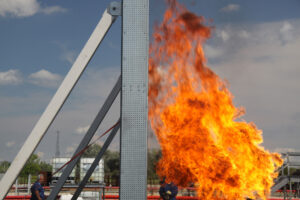
Jet fire tests are much more intense than regular fire tests. They replicate the conditions of a jet fire, with flames that move quickly and are concentrated. In these tests, a fire barrier faces temperatures over 1,800°F. The flames are aimed directly at the barrier for a set time. The test checks how well the barrier handles both heat and pressure.
A jet fire simulator is used to create these conditions. The barrier must hold up for up to 120 minutes or more, depending on the rating. The tests look for any damage or breakdown of the barrier’s material. It also checks how well the barrier stays intact under the flame’s pressure. If the barrier passes, it earns a jet fire rating. This rating shows how long the barrier will stand against a real jet fire. It’s important for industries like oil and gas, where jet fires are more likely.
Talk With Sinisi Solutions About the Right Fire Barrier
The main difference between these two barrier types comes down to the fire threat they face. A standard fire barrier helps contain a typical fire and slows heat transfer. A jet fire barrier must resist a fast, forceful flame with much higher heat. That is why the materials, design, and test methods can differ so much.
Clear planning helps teams choose a barrier that fits the job, the risk level, and the site conditions. Sinisi Solutions works with clients who need practical support for safer builds and better fire protection decisions. If you need help choosing or building the right system, visit us at 75 Main Street, Manasquan, New Jersey, 08736, US, or call 732-232-2100 for a fire barrier consultation.