Plant safety depends on more than alarms, training, and protective gear. It also depends on where heat, flame, pressure, and debris can move after a fault. In many plants, oil-filled transformers, switchgear, cable runs, and buildings sit near one another. That can turn one event into a much larger loss. A blast-rated fire barrier helps separate hazards from workers and high-value assets. It can also support insurance and code needs. Most fire barrier services for plant settings start with the same goal: reduce spread, damage, and downtime after a high-risk equipment fault.
What Do Explosion Proof Barriers Do During A Plant Fault?
How Barriers Block Heat, Flame, And Debris
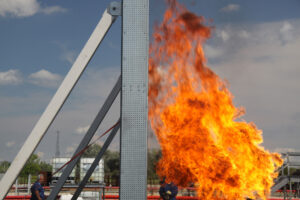
During a plant fault, the first risk is often fast movement. Heat can spread toward nearby equipment. Flame can reach cables, panels, or building walls. Pressure can push burning oil, metal parts, and debris into nearby work areas. A blast rated barrier helps limit that movement. It gives the fault a physical boundary.
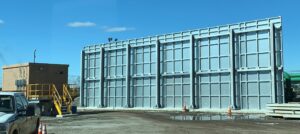
The wall absorbs part of the force and redirects heat away from nearby assets. It also slows flame spread, which gives fire crews and plant staff more control over the event. The barrier does not stop every hazard by itself. It works best as part of a broader safety plan that may include spacing, drainage, detection, and fire suppression.
Where They Protect People, Equipment, And Buildings
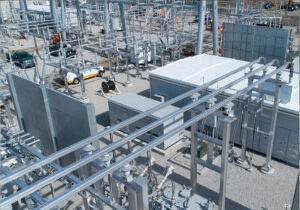
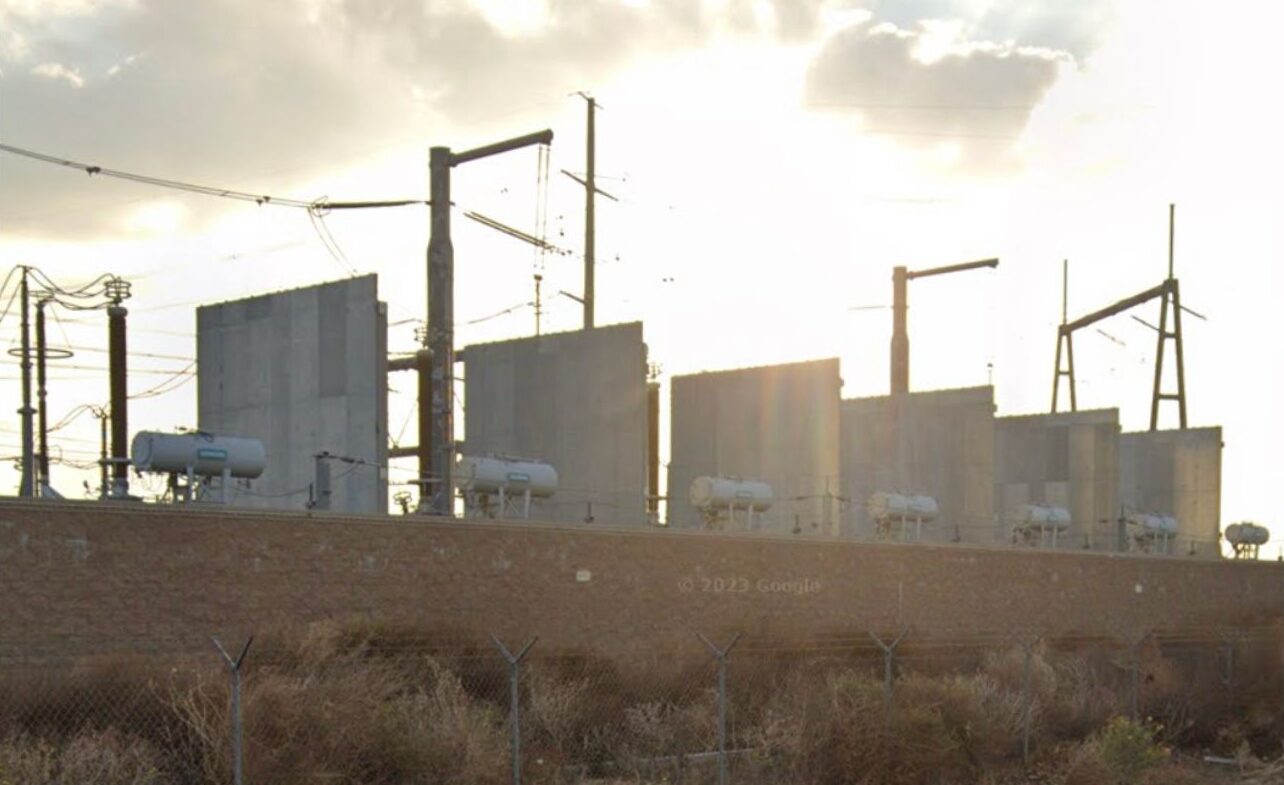
Explosion proof barriers protect the areas that sit close to high risk equipment. In many plants, transformers, switchgear, control rooms, cable trays, and access paths can be near each other. A fault in one area can affect the next area very fast. A barrier creates separation between the source of the event and the people or assets nearby.
This can lower the chance that workers face heat, smoke, flying debris, or blocked exits. It can also protect equipment that keeps the plant running. That matters because damage to one transformer may be costly, but damage to nearby gear can lead to wider shutdowns. Good barrier placement helps protect buildings, outdoor yards, walkways, and service zones without blocking safe access.
Why Are Transformer Areas A Major Plant Safety Concern?
How Combustible Oil Can Spread Fire Risk
Many large power transformers use oil for cooling and insulation. That oil helps the transformer run, but it can add fire risk during a serious fault. If a tank ruptures or a fitting fails, oil can spray or spill near hot parts, sparks, or flame. Once oil burns, it can create intense heat. It can also flow into trenches, drains, or low spots if the site does not control runoff.
That movement can carry fire beyond the first fault area. Smoke can also reduce visibility and slow response. This is why transformer fire protection often includes barriers, drainage planning, detection, and access for fire crews. Each part helps limit the path a fire can take.
Why Nearby Assets Need Fire Separation
Transformer yards often sit close to equipment that plants need every day. Nearby assets may include switchgear, cables, control panels, buildings, pumps, or other transformers. If a fire reaches those assets, the plant may face a much larger shutdown. Fire separation gives each asset more protection from heat, flame, and debris. It also helps keep one damaged unit from affecting the next one.
A barrier can be useful where space is tight and distance alone is not practical. It can help protect walkways and service areas too. Good separation also supports safer repair work after the event. Crews need room to inspect damage, isolate power, remove debris, and return the area to service.
How Do Barriers Compare With Spacing, Deluge, And Foam Systems?
Where Physical Separation Helps
Physical separation helps because it does not need power, water flow, sensors, pumps, or valves to stand between hazards and nearby assets. A barrier stays in place before, during, and after a fault. In transformer areas, that matters because fire, heat, oil spray, and debris can move fast. Spacing can reduce exposure, but many plants do not have enough open space between equipment.
A barrier can add protection where distance is limited. It can also help shield switchgear, control rooms, cable paths, and nearby transformers from direct heat. Physical separation works best with good site planning. The wall must fit the hazard, the layout, and the service access needs. It should not block safe paths, drainage, inspection points, or repair work.
When Water Or Foam Systems Add Risk Or Cost
Water or foam systems can help control certain fire events, but they can also add design and maintenance demands. A deluge system needs a water supply, piping, valves, detection, drainage, and testing. Foam systems may need storage, mixing equipment, inspection, and cleanup planning. These items can raise project cost and add work for plant teams. Water can also create problems near electrical equipment if the plan does not manage runoff and shutoff steps well.
Foam may affect cleanup, drains, and disposal needs after use. For some layouts, a fire barrier can reduce exposure without adding active spray equipment. That does not mean barriers replace all suppression needs. The right choice depends on the transformer size, oil volume, spacing, nearby assets, insurer requests, and plant safety goals.
What Site Details Affect Barrier Design And Installation?
Clearance, Height, Wind, And Seismic Loads
Barrier design starts with space. The wall needs enough clearance from live electrical parts, service paths, equipment doors, and overhead lines. It also needs the right height to block the likely path of heat, flame, and debris. A wall that is too low may leave nearby assets exposed. A wall that is too tall may add weight, wind load, and foundation demands. Wind matters because outdoor barriers face storms, open yards, and changing pressure.
Seismic load also matters in areas with ground movement risk. The barrier must stay stable during normal use and during a fault event. Good planning checks the transformer size, oil volume, fault risk, site layout, soil support, and local building needs before crews start work.
Access, Grounding, Cable Trays, And Maintenance Needs
A barrier should protect the plant without making the site harder to use. Crews still need safe access for inspections, repairs, testing, and emergency work. Doors, valves, gauges, radiators, drains, and lifting points should remain reachable. Grounding also needs close review. A metal barrier, frame, or support system may need bonding so it does not create a new electrical hazard.
Cable trays can add another challenge. They may cross near transformers or pass through areas that need fire separation. Designers should plan around those routes instead of forcing field changes later. Drainage also matters because oil, water, or foam may need a clear path after a fault. The best barrier plan protects assets while keeping daily plant work practical.
What Should Buyers Ask Before Choosing Fire Barrier Services?
Proof Of NFPA And Insurance Fit
Buyers should ask how the barrier plan supports NFPA guidance, local code review, and insurance loss control needs. NFPA does not approve every project or product. It provides safety standards that many engineers, owners, insurers, and local officials use during review. A good proposal should explain the fire rating, blast rating, wall height, spacing, and nearby hazard exposure.
It should also show how the wall protects transformers, switchgear, cable routes, buildings, and access paths. Ask for clear drawings, product data, test details, and load notes. These items help the plant team, insurer, and authority having jurisdiction review the plan with fewer delays.
Project Scope, Downtime, and Long Term Care
Buyers should ask what the project includes from the first site review through final installation. A clear scope should name the barrier type, materials, foundation work, access needs, equipment clearances, and any site limits that may affect the schedule. Downtime also needs early planning. Some barriers may fit into planned outages. Others may need phased work near active equipment.
Ask how crews will handle traffic, lifts, stored materials, and safe work zones. Long term care matters too. The plant should know how to inspect panels, fasteners, coatings, seals, and impact damage over time. A strong service plan helps the barrier keep doing its job after weather, repair work, or future layout changes.
FAQs About Explosion Proof Barriers
Can A Barrier Replace the Distance Between Transformers?
Sometimes a barrier can reduce exposure where full spacing is not practical. It should not be treated as a simple swap without review. The right answer depends on transformer size, oil volume, wall rating, nearby equipment, site layout, and insurer needs. A qualified design review should confirm the best option.
Can A Barrier Replace A Deluge System?
A barrier may reduce heat, flame, and debris exposure, but it does not act the same way as a deluge system. Deluge systems apply water to control certain fire events. Barriers provide physical separation. Some plants use both. The final choice depends on the hazard, layout, code review, and insurance input.
What Affects The Cost Of A Transformer Barrier?
Cost depends on the wall size, fire rating, blast rating, foundation needs, access limits, site prep, and installation timing. Outdoor wind load and seismic needs may also affect the design. Tight spaces can raise labor time. Custom layouts, cable tray conflicts, and shutdown limits can also change pricing.
Can Barriers Be Installed In An Operating Plant?
Yes, many barriers can be planned around active plant work. The project still needs a safe work plan. Crews must account for live electrical areas, traffic paths, lifting zones, access points, and outage windows. Some tasks may need planned downtime. Early site review helps reduce disruption.
Plan Your Plant Fire Barrier Project With Sinisi Solutions
A strong barrier plan starts with the hazard source, nearby assets, access needs, and the way crews maintain the site. Transformer barriers must work with the electrical layout, fire separation plan, drainage path, grounding plan, and future service needs. A rushed wall plan can block access, miss clearance needs, or create added work during installation.
Sinisi Solutions helps plants plan transformer barriers, blast-rated walls, BESS barriers, cable protection, and site-specific fire separation systems. The goal is to reduce the spread, protect people, limit damage, and minimize downtime after a fault. For project planning or site review, visit us at 75 Main St., Suite 16, Manasquan, New Jersey, 08736, US, or call 732-232-2100 for fire barrier services planning.