Industrial facilities often house transformers, battery storage, fuel systems, and other high-hazard assets that need strong fire separation. Code compliance starts with a clear look at site conditions, barrier placement, approved materials, and installation quality. Well-built fire barrier walls can help limit fire spread, support safer equipment spacing, and back up reviews from local officials and insurance teams.
A solid plan also covers access, maintenance, and records after new work or site changes. With the right approach, facility teams can spot code issues early, place barriers with purpose, and support safer day-to-day operations from start to finish across the site.
Fire Barrier Code Reviews for Industrial Facilities
NFPA and Insurance Rules That Shape Barrier Plans
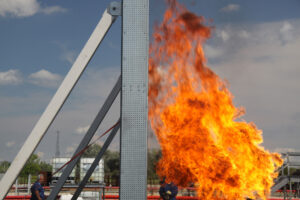
In industrial facilities, fire barrier planning starts with a code review. NFPA rules help teams decide where barriers belong, how large they should be, and what level of fire resistance the system must provide. Insurance carriers may ask for added separation around transformers, battery rooms, fuel areas, and other high hazard spaces.
They also look at loss history, equipment value, and the chance of fire spread from one unit to another. A code review gives the project team a clear base for design choices. It can also reduce delays during permit review and site approval. When teams check these rules early, they can avoid poor barrier placement, missing records, and costly field changes later in the job.
Site Conditions That Affect Barrier Placement
Barrier placement does not depend on code text alone. The layout of the site plays a big part in the final plan. Teams need to look at equipment spacing, access roads, pipe racks, trench lines, cable paths, drainage areas, and work zones. A barrier that looks good on paper may block maintenance access or create problems for egress.
Wind load, soil limits, and foundation depth can also affect the location and size of each wall. In older plants, crews may also find grade changes or buried obstructions. A detailed site review helps match the barrier layout to real field conditions. That leads to a safer, cleaner installation and fewer changes during construction.
Site Assessment and Inspection for Compliance
Risk Reviews for Fire and Explosion Exposure
Site assessment gives facility teams a clear picture of fire and explosion exposure before work begins. During a review, teams look at equipment type, fuel sources, ignition points, stored energy, and the distance between assets. They also study how fire, heat, pressure, or flying debris could move across the site. In industrial settings, this often includes transformers, battery storage units, process areas, tank farms, and control rooms.
The review should also check access for fire crews, shutoff points, drainage paths, and nearby structures. These details help teams set barrier locations and wall sizes that fit the real hazard. A strong risk review can also support permit work, budget planning, and safer day to day operations after installation.
Barrier Checks for Existing Industrial Facilities
Barrier checks in existing industrial facilities focus on condition, fit, and continued code compliance. Inspectors look for wall damage, open joints, worn sealants, missing panels, and gaps around pipes, conduit, or cable trays. They also check doors, hatches, and any opening protection tied to the barrier line. Over time, plant changes can affect barrier performance.
New equipment, rerouted services, or added access points may create weak spots that were not part of the original plan. A full check compares the barrier in the field to site drawings, approved products, and past repair records. That process helps teams spot problems early, plan repairs with less disruption, and keep the barrier system ready for future inspections.
Fire Barrier Design Requirements for High Risk Areas
Rated Barrier Layouts for Transformers, BESS, and Fuel Areas
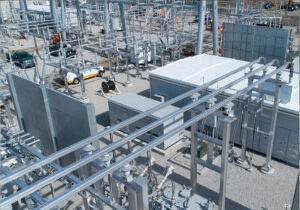
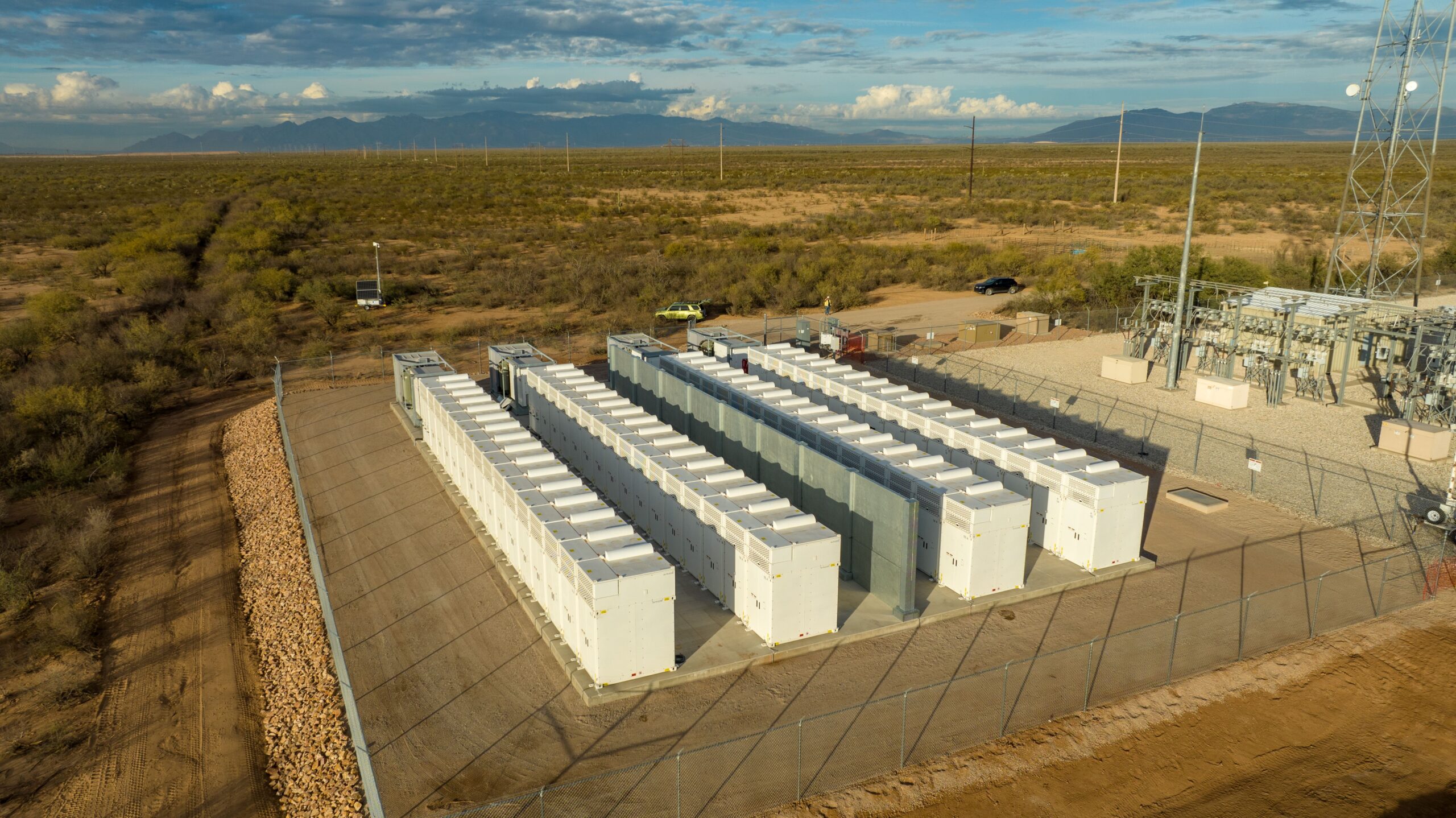
Fire barrier layouts in high risk areas must match the hazard, the equipment size, and the way a fire could spread. Around transformers, teams often place rated barriers between units or between a unit and nearby buildings to limit heat, flame, and debris exposure. In BESS sites, barrier layout can help divide battery rows and reduce the chance that one event moves across the full array.
In fuel areas, wall placement should reflect tank position, transfer points, pressure hazards, and access routes. Good layouts also account for service clearances, crane paths, and emergency response access. The design should match tested assemblies, approved materials, and the rated performance required for the site.
Openings, Clearances, and Separation Rules
Openings and clearances can weaken a barrier if the design team does not treat them early. Doors, pipe penetrations, conduit runs, cable trays, vents, and access points all need proper protection at the barrier line. Each opening should use a tested system that matches the wall type and fire rating. Clear space around equipment also matters. Maintenance crews need room to work, and fire crews need access during an emergency.
At the same time, barriers must keep enough separation to reduce fire spread from one hazard area to the next. Teams should check nearby structures, egress paths, overhead lines, and below grade services before final layout approval. Small gaps or tight offsets can create big problems during installation and later inspections.
Fabrication and Installation Standards That Affect Compliance
Material Selection and Modular Barrier Systems
Material selection plays a big part in fire barrier compliance. The wall system must match the fire rating, site hazards, and the conditions around the equipment. Teams often review heat exposure, moisture, wind, corrosion, and the chance of impact before they choose a barrier system. They also need products that have been tested as a full assembly, not just as single parts.
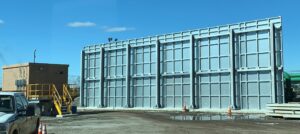
Modular barrier systems can help on complex sites because crews can size them to fit the layout and move parts with less disruption. That can help during plant outages, site changes, and future repairs. Good material choices also support long service life, steady performance, and a cleaner fit with the approved design.
Installation Quality, Access Needs, and Maintenance Planning
Installation quality affects barrier performance from day one. Even a well planned wall can lose value if crews place it in the wrong spot or leave joints, seals, or penetrations unfinished. Good installation starts with a clear layout, solid foundations, correct panel placement, and careful work at every connection point. Access also matters.
The barrier should protect the hazard area without blocking service routes, lifting paths, egress, or fire crew entry. Maintenance planning should start during installation, not after it. Teams need room to inspect the wall, repair damaged sections, and remove parts if nearby equipment needs service. That approach helps the barrier stay useful, compliant, and easier to manage over time.
Records, Approvals, and Long Term Compliance Support
Drawings, Product Data, and Inspection Logs
Good records help teams show that a fire barrier system matches the approved plan. Drawings should show barrier locations, wall height, openings, penetrations, and clear distances from nearby equipment. Product data should list the tested assembly, fire rating, material type, and any limits on use. Inspection logs add another layer of support.
They track site checks, repairs, damaged areas, and changes made after installation. Together, these records help owners, contractors, and inspectors compare the wall in the field with the system on paper. They also help during future upgrades, insurance reviews, and permit work. When records stay current, teams can respond faster to questions and fix gaps before they turn into larger code issues.
AHJ Approval, Insurance Review, and Facility Updates
AHJ approval often depends on clear records and a barrier layout that fits the site. Local fire officials and building officials may review drawings, product data, and field conditions before they sign off on the work. Insurance reviewers may also study the same details, especially in sites with transformers, battery storage, fuel handling, or other high hazard operations. After approval, the job is not finished for good.
Facility updates can change the level of risk and affect barrier compliance. New equipment, added piping, shifted access routes, or building changes may call for another review. A long term support plan helps teams track these updates, review the barrier system after changes, and keep the site ready for future inspections and audits.
Start Fire Barrier Planning With Sinisi Solutions
Industrial fire barrier compliance works best when facility teams tie code review to site conditions, barrier layout, installation quality, and clear records. High-risk plants often need added attention around transformers, battery storage, fuel systems, access routes, and equipment spacing. A practical plan also helps with insurance reviews, local approval, and long-term maintenance after site changes.
If you need help with site assessment, barrier design, or installation support, Sinisi Solutions can work with your team on a code-focused path for industrial fire barrier work, and we invite you to visit us at 75 Main Street, Manasquan, New Jersey, 08736, or call 732-232-2100 for fire barrier compliance support.