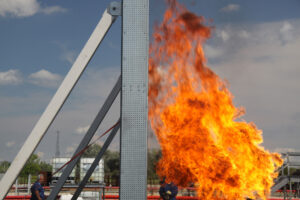
Transformer failure can start with heat, oil leaks, electrical faults, impact damage, or a nearby fire. Once oil burns, flames and heat can move fast toward other transformers, buildings, cable trays, and switchgear. Good fire barrier construction gives the fire less room to spread. It can also buy time for alarms, water systems, crews, and shutdown steps to work. Barrier design is not only about building a wall. It also depends on spacing, oil volume, containment, drainage, wall rating, access, wind load, and openings. A smart design helps one failure stay contained and lowers the chance of a wider outage.
How Do Fire Barriers Reduce Transformer Failure Risk?
What Transformer Fire Risks Can A Barrier Limit?
A fire barrier helps control how heat, flame, smoke, and burning oil move after a transformer fault. It does not repair the transformer or stop the fault itself. Its job is to protect nearby equipment and give response teams more time. This matters because many transformers sit close to other units, cable trays, control rooms, or buildings. A barrier can block radiant heat from reaching the next asset. It can also reduce direct flame contact. That lowers the chance of one failed unit causing a larger outage. The barrier must match the site. Height, length, rating, openings, drainage, and access all affect performance. A good design treats the fire source and nearby exposures as one connected risk.
What Risks Need More Than A Barrier?
A fire barrier is only one part of transformer fire protection. It cannot stop an internal electrical fault, oil leak, pressure event, or failed relay from starting the problem. It also cannot replace sound maintenance, proper alarms, clear shutdown steps, or working fire systems. If burning oil can flow around the wall, the site still has risk. If cable openings are not sealed, heat and smoke can pass through weak points. If crews cannot reach valves, drains, or access points, response may slow down. A safer plan should pair the barrier with oil containment, drainage control, fault detection, inspection, and clear work access. This layered plan helps reduce damage after a failure starts.
What Site Conditions Shape Fire Barrier Construction?
Is Distance Alone Enough For Outdoor Transformers?
Distance can lower fire spread risk, but it may not be enough on its own. Outdoor transformers often sit near other units, control buildings, cable trays, roads, fences, or stored materials. If a fault causes burning oil or high heat, an open space may not fully protect those nearby assets. Wind can push flame and smoke toward equipment that looks far enough away on paper. Sloped ground can also let oil move in the wrong direction. Fire barrier construction helps when space is tight or when one transformer could expose another asset. A good layout checks the actual site, not just the distance between objects. The plan should look at fire direction, heat exposure, oil flow, access routes, and safe space for crews.
How Do Oil Volume, Drainage, Containment, And Nearby Assets Affect Design?
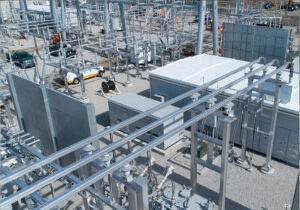
Oil volume plays a major role in fire barrier design. A transformer with more oil can create a larger fire load and a longer burn event. That means the barrier may need more height, length, or fire rating. Drainage also matters because burning oil can move around a wall if the site does not control the flow. Containment helps hold oil in a safer area, but it must work with the barrier layout. Nearby assets also shape the design. A wall near switchgear, cable trays, buildings, or another transformer may need tighter details around openings and edges. Access should stay clear for inspection, repair, and emergency work. A strong plan treats oil, water, heat, smoke, and nearby equipment as connected risks.
What Fire Barrier Design Choices Matter Most?
What Fire Rating, Height, And Length Should A Barrier Have?
A transformer fire barrier needs the right fire resistance rating for the hazard around it. The rating should match the transformer size, oil volume, nearby assets, and project requirements. A small unit near open space may not need the same wall design as a large oil filled transformer near a control building. Height and length matter too. A short wall may leave the top of nearby equipment exposed to radiant heat. A wall that ends too soon can let flame or heat move around the edge. Fire barrier construction should account for the full path a fire could take. The design team should review equipment height, spacing, wind direction, oil flow, and access needs before setting the final wall size.
How Should Cable Trays, Doors, Seals, And Wall Openings Be Handled?
Openings can weaken a transformer fire barrier if the project team handles them poorly. Cable trays, doors, conduit paths, vents, and service gaps all need careful detailing. Heat, smoke, and flame can pass through small gaps during a fire. That can expose nearby transformers, switchgear, or building walls. Any opening should fit the rating and purpose of the barrier. Doors should close well and match the needed protection level. Cable tray paths may need rated seal systems around the opening. Seals should also account for movement, heat, and future maintenance. A clean design keeps access useful without creating weak points. It also helps crews inspect the barrier after storms, repairs, or equipment changes.
What Materials And Costs Should Owners Compare?
Are Modular Fire Barrier Systems Better Than Site Built Walls?
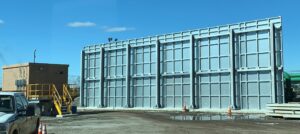
Modular fire barrier systems can be a strong fit when a transformer site has limited space, tight access, or changing equipment needs. They are often built as engineered assemblies, so the full system matters more than one material. That means owners should look at panel rating, steel supports, anchors, seams, removable sections, and access points. Site built walls, such as concrete or CMU, may still work for some projects. They can offer strength and mass, but they may need more field work, more space, and longer installation time. The best choice depends on the hazard, site layout, schedule, and maintenance needs. A good fire barrier construction plan should compare the full assembly, not just the wall type.
| Option | Where It Can Work Well | What Owners Should Check |
| Modular panel systems | Tight sites, retrofit work, and projects that need flexible access | Panel rating, seams, anchors, removable sections, and long term maintenance access |
| Steel and panel assemblies | Engineered layouts that need strength, support, and a custom fit | Fire rating, wind load, seismic needs, coating, connections, and access points |
| Concrete walls | Large sites with room for heavier field work | Footing needs, curing time, crane access, drainage, and future changes |
| CMU walls | Sites that can support masonry work and fixed wall layouts | Reinforcement, wall height, joints, weather exposure, and openings |
What Drives Transformer Fire Barrier Cost?
Transformer fire barrier cost depends on the site and the risk. Wall height and length matter, but they are only part of the price. A project near live equipment may need more planning, safety steps, and labor time. Poor soil can add footing work. Tight access can affect cranes, lifts, staging, and delivery. Openings for cable trays, conduits, doors, vents, and service paths can also raise costs because they need properly rated details. Drainage and oil containment may change the layout too. Owners should also plan for design work, outage limits, inspection access, and future repairs. The lowest price may not be the best value if the barrier leaves weak points around edges, joints, or penetrations.
Key cost drivers often include:
- Transformer size and oil volume
- Fire rating needs
- Barrier height and length
- Soil and footing conditions
- Wind load and seismic design
- Cable tray and conduit paths
- Doors, gates, and removable sections
- Drainage and oil containment layout
- Work near active equipment
- Access for future maintenance
What Mistakes Leave Transformers Exposed?
Why Do Some Barriers Fail To Control Fire Spread?
Some barriers fail because the design does not match the real hazard. A wall may look tall enough, but heat can still pass over it or around the sides. Gaps around cable trays, doors, conduit, and joints can also let smoke, flame, or hot gases move through the barrier. Poor drainage can create another problem. Burning oil may flow past the wall and carry the fire toward nearby assets. This can place switchgear, buildings, or another transformer at risk. Fire barrier construction should treat the wall, openings, oil flow, and site layout as one system. A barrier can only work well when each weak point is planned before work starts.
Can Older Substations Add Barriers Without Blocking Access?
Older substations can often add fire barriers, but the layout needs careful planning. Many older sites have tight spaces, aging pads, low clearances, and equipment placed close together. A new wall should not block safe paths to valves, gauges, control cabinets, drains, or repair areas. Crews still need room to inspect equipment and respond during a fault. The design may need gates, doors, removable panels, or adjusted wall placement. Cable trays and conduit paths may also need new rated openings. A good retrofit plan starts with the site map and the workflow. It protects nearby assets while keeping access clear for maintenance, testing, and emergency response.
Build Safer Transformer Barriers With Sinisi Solutions
Transformer fire planning should start with the site, not the wall alone. A strong plan looks at transformer size, oil volume, fault risk, nearby buildings, drainage paths, cable routing, crew access, and future repair needs. It should also account for how fire, smoke, heat, and oil may move during a failure. Owners with tight substations often need a barrier layout that fits the space without blocking safe work. Sinisi Solutions can support a practical plan that connects design, materials, and site limits. Our goal is to help reduce fire spread risk and protect nearby assets. For project help, visit us at 75 Main St., Suite 16, Manasquan, New Jersey, 08736, US, or call 732-232-2100 for transformer fire barrier planning.