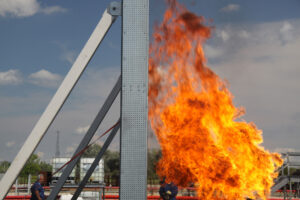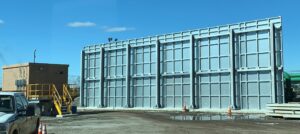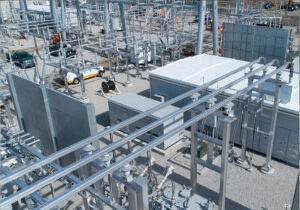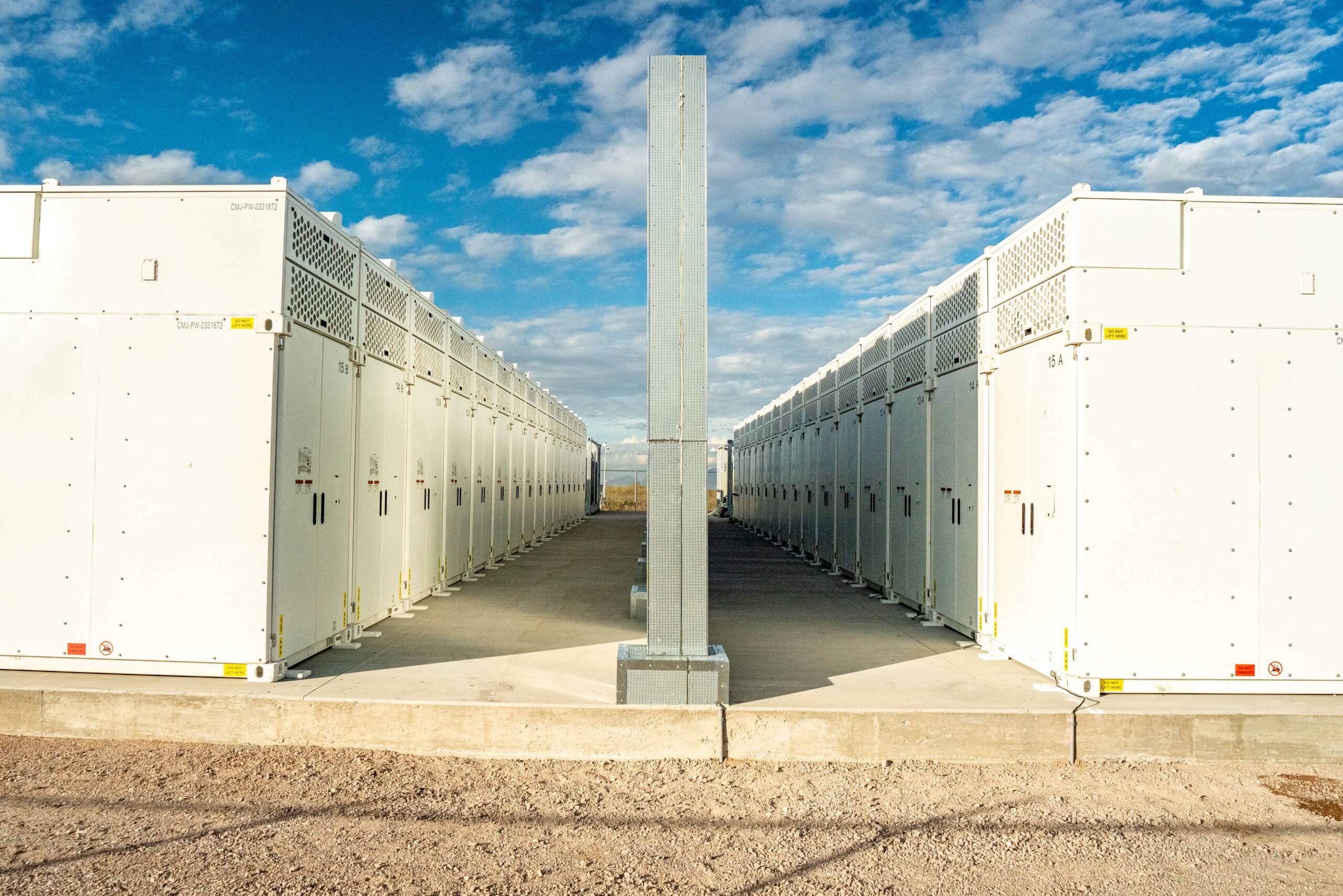
Designing fire barriers for Battery Energy Storage Systems (BESS) involves several challenges. The materials must meet safety standards to prevent fire spread. Fire barrier walls protect both equipment and the environment. The design needs to fit within a limited space and integrate with other system components. Over time, fire barriers must remain strong and adaptable to changing conditions. Addressing these factors helps maintain the safety of BESS installations.
Material Selection for Fire Barriers in BESS
Fire-Resistant Materials and Standards
Choosing fire-resistant materials is crucial when designing fire barriers for Battery Energy Storage Systems (BESS). These materials must stop the spread of fire and protect both the equipment and the surrounding environment. Fire-resistant materials are tested to meet strict safety standards.
Common materials like concrete, steel, and fire-rated panels help prevent flames from passing through. These materials are designed to withstand extreme heat and offer protection during a fire. Fire safety standards guide the selection process and confirm the materials are suitable for the system’s needs.
Balancing Cost and Protection in Material Choices
Material selection for fire barriers involves finding the right balance between cost and safety. High-quality, fire-resistant materials often come with a higher price tag. However, it’s possible to achieve safety without going over budget by using a mix of materials. For example, steel can provide durability, while fire-resistant panels can be added for heat resistance. By carefully selecting materials, you can meet fire protection requirements while staying within budget. The key is selecting materials that provide the necessary protection without overspending on unnecessary options.
Regulatory Compliance and Safety Standards
Fire Barrier Regulations for BESS
Fire barriers in Battery Energy Storage Systems (BESS) must meet strict regulations to keep people and equipment safe. These regulations are set by national and local authorities. They ensure that fire barriers provide the needed protection during emergencies. In the U.S., fire barrier materials and designs need to comply with standards set by organizations like the National Fire Protection Association (NFPA) and Underwriters Laboratories (UL).
These standards focus on how materials perform under extreme heat, how long they can withstand fire, and how they prevent the spread of flames. Adhering to these regulations is important to make sure BESS installations are safe and reliable.
Compliance Challenges in Different Regions
Complying with fire safety regulations can be difficult because rules vary by region. In some areas, local regulations may be stricter than national standards. For example, European countries may have different fire safety codes compared to the U.S. In addition, newer regions with growing BESS industries may not have well-established regulations, which can lead to uncertainty.
Businesses must stay informed about these changes and adapt to different standards. Managing these regional differences can increase complexity for companies working on BESS installations worldwide. It’s important to follow the local fire safety codes to maintain full compliance in each area.
Integration of Fire Barriers with BESS Design
Space Constraints and Fire Barrier Placement
Fire barriers must fit carefully within Battery Energy Storage Systems (BESS) due to limited space. BESS installations are often compact, so fire barriers need to be placed in areas that do not block airflow or other critical components. Proper placement helps stop fire from spreading while keeping access to equipment for maintenance. The barriers should not interfere with electrical components, which are key to the system’s function. This balance between space and protection is vital to maintain both safety and efficiency in BESS designs.
Coordinating Fire Protection with Electrical Systems
Integrating fire barriers with electrical systems requires careful planning. The barriers must not interfere with the function of electrical components. For example, they should not block ventilation openings or affect airflow, which helps keep the system cool. Fire protection also needs to work with other safety measures, such as sprinklers or extinguishers, to create a complete solution. Proper coordination prevents fire barriers from reducing the performance of the system while providing necessary protection.
Maintaining Fire Barriers for Longevity and Effectiveness
Routine Inspections and Testing Requirements
Fire barriers in Battery Energy Storage Systems (BESS) require regular inspections to make sure they perform well over time. These inspections help identify any wear or damage that could reduce their effectiveness. Testing also checks if the materials still meet safety standards.
Inspections should be done on a routine basis to spot any issues early on. Some systems may need to be tested under fire conditions to verify that the barriers can withstand heat. Timely inspections and testing can prevent problems before they become serious.
Adapting Fire Barriers Over Time
As Battery Energy Storage Systems (BESS) evolve, fire barriers may need to be updated or adjusted. Over time, changes in technology, equipment, or usage can affect how well the fire barriers work. The materials used may degrade, or new risks might emerge. Adapting fire barriers involves replacing old materials with newer, stronger options or repositioning barriers to improve safety. It’s important to monitor the system’s performance and update the barriers as needed. Regular updates help keep the BESS system safe and compliant with the latest fire protection standards.
Addressing Thermal Runaway in BESS and Fire Barriers
Understanding Thermal Runaway Risks
Thermal runaway is a major risk in Battery Energy Storage Systems (BESS). It happens when a battery cell overheats and causes a chain reaction, leading to a dangerous rise in temperature. This can result in fires or even explosions if not controlled. Several factors can trigger thermal runaway, including short circuits, manufacturing defects, or excessive heat from external sources. It is important to monitor temperature levels inside BESS to detect early signs of thermal runaway. If not managed properly, thermal runaway can cause significant damage to the system and surrounding areas.
Preventing Thermal Runaway with Fire Barriers
Fire barriers play a key role in preventing thermal runaway from spreading in BESS. These barriers can contain heat and flames, protecting the rest of the system from fire damage. Fire-resistant materials are often used to create barriers that slow down the spread of heat, buying time for emergency response.
Proper placement of these barriers around high-risk components like batteries is also vital. Fire barriers can help isolate problematic areas before thermal runaway can escalate. By controlling the temperature around battery cells, fire barriers help reduce the risk of fires and other safety hazards in the system.
Partner with Sinisi Solutions for Reliable Fire Barrier Design
Designing fire barriers for Battery Energy Storage Systems (BESS) requires addressing multiple factors, including material selection, space limitations, and safety standards. The materials chosen must effectively stop fire spread while fitting into the system’s design. Complying with fire safety regulations is key to meeting industry standards.
Over time, fire barriers need to stay durable and adaptable as the system evolves. Proper integration with other system components helps create a safer, more efficient energy storage solution. If you’re looking for reliable fire protection, visit Sinisi Solutions at 75 Main Street, Manasquan, New Jersey, or call 732-232-2100. Let us help you safeguard your BESS installation today!