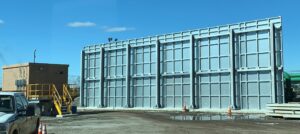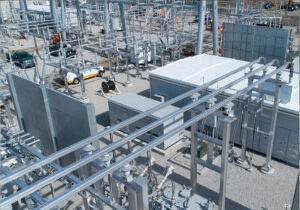
Transformer fire barriers are necessary for safety, protecting critical equipment and stopping the spread of fire. Proper installation improves performance and reliability. Barrier construction plays an important role in protecting not just the transformer but the surrounding environment.
It helps contain flames, reducing the risk of fire spreading to other areas. Along with physical protection, fire barriers help meet safety regulations. Maintaining these barriers and performing proper installation protects assets and maintains the long-term safety of your facility. Always use professional services when planning barrier construction.
Importance of Transformer Fire Barriers
Fire Prevention and Safety
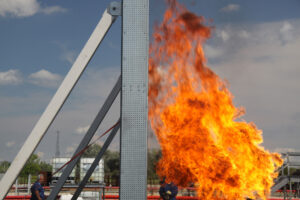
Transformer fire barriers stop fires from spreading. When a transformer malfunctions or catches fire, it can cause significant damage to nearby equipment. Fire barriers contain the fire and prevent it from affecting other areas. This containment reduces the risk of larger fires and protects valuable assets. Fire barriers are made of materials that resist high heat, helping to limit the damage. Proper installation of these barriers keeps fire hazards controlled. Without these barriers, the fire hazard would grow, leading to greater risks for both property and people.
Compliance with Safety Standards
Fire barrier installation must meet strict safety codes. These codes are created to protect people and property from fire damage. In many industries, fire barriers must follow local, state, and national fire safety rules. Failure to install barriers that meet these standards can lead to fines or higher liability in case of a fire. Installing fire barriers according to safety regulations protects your assets and shows that safety is a top priority. Following these codes prevents accidents and keeps the environment safe.
Key Materials Used in Transformer Fire Barriers
Fire-Resistant Materials
Fire-resistant materials stop the spread of flames when a transformer fire occurs. These materials can withstand high temperatures without breaking down. Materials like fiberglass, mineral wool, and certain metals like steel are commonly used. These materials do not catch fire easily, which helps protect transformers and nearby areas. Fire-resistant coatings can also be applied to surfaces for added protection. These coatings form a layer of defense that reduces the damage. Using the right materials in fire barriers is key to making sure they function well during an emergency.
Durability and Longevity
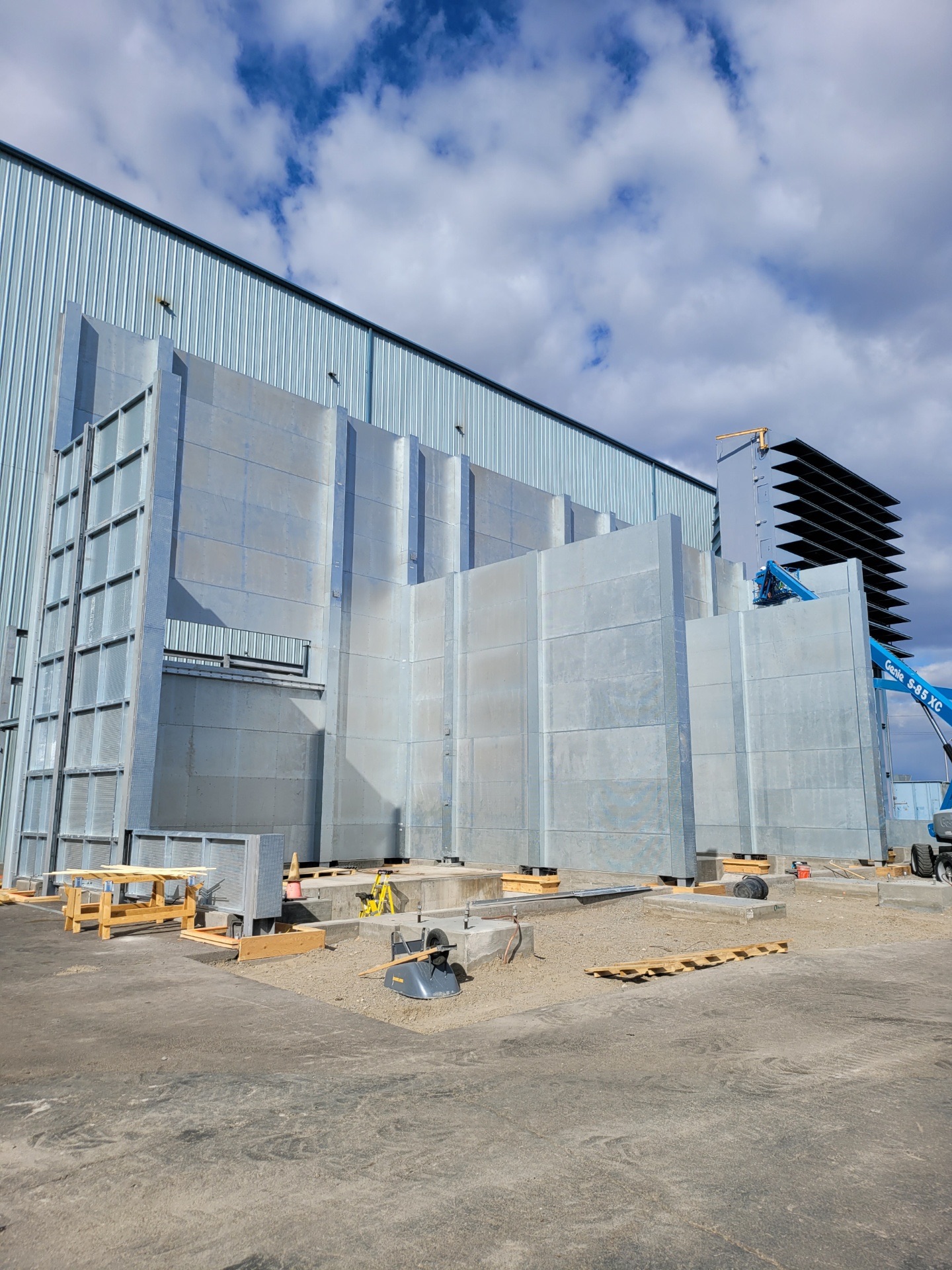
The durability and longevity of fire barriers are just as important as their ability to stop fires. Fire barriers must handle wear and tear over time without losing their effectiveness. Materials like steel and concrete are known for lasting a long time. These materials are strong and can endure extreme conditions. Fire barriers must also resist weathering from outdoor elements such as rain, heat, and cold. This keeps them working for many years. Choosing durable materials lowers maintenance costs and keeps the fire barriers working for the long term.
Installation Process for Transformer Fire Barriers
Planning and Preparation
The installation of transformer fire barriers starts with careful planning. First, the site must be assessed to determine the best location for the barriers. This includes measuring the space around the transformer and checking for any obstacles. The type of fire barrier to use depends on the site’s specific needs. Fire-resistant materials should be selected based on the temperature range and environmental conditions. Proper planning also involves choosing the right tools and materials for the job. It’s important to follow all safety protocols. This will make sure the installation goes smoothly and safely.
Step-by-Step Installation
The installation of transformer fire barriers is a methodical process. It begins with clearing the area around the transformer. Next, the foundation is prepared for the barriers, which may involve securing the base to prevent shifting. After that, the fire-resistant materials are carefully placed in the correct positions. The barriers are then secured, making sure they cover all vulnerable areas around the transformer. Each step must be followed precisely to guarantee the fire barrier performs as designed. Once the installation is complete, the system is checked for stability and effectiveness before being fully operational.
Maintenance of Transformer Fire Barriers
Periodic Inspections
Fire barriers should be checked at planned intervals to keep them working well. Inspections help spot damage or weaknesses early, before they become serious problems. During each inspection, look for cracks, rust, or other signs of damage. The barrier’s surface should also be examined for wear caused by heat or weather. If damage is found, it should be repaired quickly. Frequent checks help maintain the barrier and reduce the chances of bigger problems. Inspections should follow guidelines from the manufacturer or industry standards, helping the barrier stay effective over time.
Timely Repair or Replacement
If damage is found during inspections, repairs need to be done quickly. Delaying repairs can make the barrier less effective. Some parts of the barrier may need to be replaced if they are too worn out. Over time, fire barriers face wear from environmental factors, heat, and other stresses. Timely repairs or replacements help keep the barrier working well, protecting both the transformer and the surrounding area. Proactive maintenance avoids bigger problems and reduces the cost of future repairs, helping to keep the barrier’s protection strong.
Cost Factors in Transformer Fire Barrier Installation
Material Costs
The cost of materials is one of the biggest factors in the installation of transformer fire barriers. Fire-resistant materials like fiberglass, steel, and mineral wool vary in price depending on the quality and the required heat resistance. High-quality materials may cost more upfront but can offer better protection and last longer. In addition, the specific requirements of the site, such as the size of the area to be covered or the climate conditions, can affect the choice of materials. While premium materials increase initial costs, they may reduce maintenance and replacement costs over time, providing long-term savings.
Labor and Installation Costs
Labor and installation costs depend on the complexity of the project and the expertise of the workers. Skilled professionals are needed to properly install fire barriers, which may involve custom-fitting or special preparations based on the site. The labor cost will also depend on the time required to complete the job, as more complex installations take longer. Other factors like equipment rental, permits, and site preparation can add to the overall cost. Proper installation is key to making sure the fire barrier performs well, making it important to invest in skilled labor to avoid costly mistakes.
Contact Sinisi Solutions for Your Transformer Fire Barrier Installation Needs
Transformer fire barriers protect your equipment and limit the spread of fire. Proper installation, using top-quality materials, guarantees safety and helps meet fire safety regulations. To keep barriers effective, frequent inspections and prompt repairs are necessary. The installation and upkeep of these barriers require skilled professionals to meet safety standards and provide peace of mind. If you want to safeguard your facility and prevent fire risks, trust Sinisi Solutions for installation and maintenance. Visit us at 75 Main Street, Manasquan, New Jersey, or call 732-232-2100 for reliable fire barrier solutions.