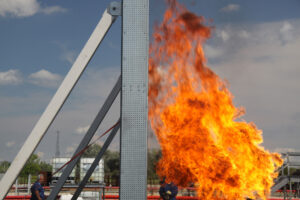
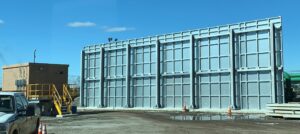
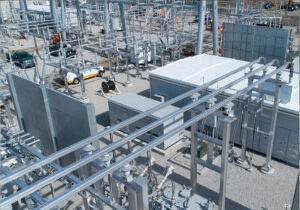
Fire barriers help reduce the risk of fire damage and lower insurance premiums for infrastructure. These protective measures improve building safety, encouraging insurers to offer better rates. By consulting fire barrier services, property owners can meet safety standards and minimize the risk of costly fire damage.
Over time, fire barriers lead to lower insurance expenses, making them a smart investment. They not only protect infrastructure but also result in significant savings on insurance premiums. With the right fire barriers in place, property owners can achieve better security and reduced financial burden.
How Fire Barriers Help Reduce Insurance Premiums
Lowering Risk Exposure
Fire barriers help reduce the overall risk of fire damage. These barriers stop fires from spreading quickly, which keeps potential damage to a minimum. When a building is protected by fire barriers, the chance of extensive damage and loss is much lower. Insurance companies see this as a safer investment.
As a result, they offer lower premiums for properties that have these protective features in place. Property owners with fire barriers are less likely to make costly claims. This lowers the insurance company’s risk, leading to better coverage rates and lower costs for the property owner.
The Financial Impact of Fire Barriers
Installing fire barriers can save property owners money on insurance premiums. Insurance companies charge lower rates for properties that are well protected from fire. When fire barriers are installed, they reduce the chances of severe damage. This makes the property less risky for insurers.
Over time, the savings on premiums can add up, making the investment in fire barriers worthwhile. These savings can be significant, especially for larger properties or buildings in areas prone to fire risk. With fire barriers in place, property owners enjoy lower insurance costs and greater peace of mind.
Types of Fire Barriers and Their Benefits
Fire-Resistant Materials
Fire-resistant materials are key to creating effective fire barriers. These materials are specially designed to slow the spread of flames, protecting your property from damage. Common fire-resistant materials include concrete, gypsum, and certain types of steel. These materials can withstand high temperatures for extended periods, making them ideal for fire barrier systems.
Using fire-resistant materials helps prevent the fire from spreading to other areas, keeping it contained. When installed properly, they can significantly reduce the risk of severe property damage. Selecting the right fire-resistant materials for your property guarantees that fire barriers perform well when needed.
Choosing the Right Fire Barrier for Your Property
Choosing the right fire barrier depends on several factors. The size and layout of your property are important, as well as the level of fire risk in your area. There are different types of fire barriers, such as walls, doors, and partitions. Each type has its own benefits.
For example, fire-resistant doors are perfect for areas that need quick access but also require protection from fires. Fire-rated walls can be used to separate different parts of a building, reducing the spread of flames. It’s important to work with a professional to select the right barriers based on your specific needs and local safety regulations.
Fire Barriers as a Long-Term Investment
Extending Property Lifespan
By protecting your property from fire damage, fire barriers help extend its lifespan. Without them, fires can quickly cause severe damage to the structure, leading to expensive repairs. Fire barriers stop the flames from spreading, ensuring that the property’s integrity is maintained.
As a result, buildings with fire barriers are less likely to need frequent repairs or extensive rebuilding. Over time, fire barriers can save you money by preventing the wear and tear caused by fire damage. This protection also helps the property stay in good condition for many years, adding long-term value.
Saving on Insurance Costs
With fire barriers in place, property owners often pay lower insurance premiums. Insurers view properties with fire barriers as safer, reducing the risk of major fire damage. Lower risk means that insurers are more willing to offer better rates. Over time, the reduction in insurance costs can help offset the cost of installing fire barriers. Fewer fire-related claims and damage reduce premiums even further, making fire barriers a smart financial decision. The savings on insurance premiums can provide a solid return on investment, making fire barriers not only a protective measure but a long-term cost-saving solution.
Why Property Owners Should Consider Fire Barriers
Preventing Major Fire Damage
Fires can spread quickly, causing massive damage to a property. Without fire barriers, the fire has more space to grow and destroy the building. When fire barriers are installed, they stop the fire from spreading, reducing the chances of major damage. The flames are contained, preventing them from reaching other parts of the property. This gives property owners the chance to save the building or make repairs instead of facing a complete loss. The cost of repairing major fire damage can be high, but fire barriers can prevent this, acting as a strong defense and saving money.
Fire Barriers and Property Value
A property with fire barriers is more attractive to buyers. These barriers show that the property has extra protection against fire risks. This makes the property safer, more resilient, and more appealing to insurers. When fire barriers are in place, the property is less likely to face major damage, which makes it more valuable. Buyers also appreciate properties with lower long-term insurance costs. Fire barriers add an extra layer of security that enhances the overall value of the property. By installing fire barriers, property owners not only protect their buildings but also increase their market value.
How Fire Barriers Affect Your Insurance and Property Value
Increasing Property Safety
Adding fire barriers to your property significantly increases safety. By preventing fire from spreading, they reduce the risk of severe damage. This extra layer of protection makes your property safer for both you and anyone on the premises. When a fire is contained, it’s much easier to manage and prevent widespread destruction. Property owners who install fire barriers show they are taking steps to protect their investment. This not only keeps the property safe but also raises its overall value. Insurers often offer better coverage and rates for properties with fire barriers due to the added safety.
Fire Barriers and Insurance Coverage
Insurance companies view properties with fire barriers as safer to insure. Fire barriers reduce the risk of significant fire damage, making the property a lower risk for insurers. As a result, they often offer better rates or more comprehensive coverage. Properties with fire barriers tend to have fewer fire-related claims, which is a benefit for both the insurer and the property owner. Over time, this can lead to significant savings on insurance premiums. Installing fire barriers not only protects your property but also helps make insurance coverage more affordable.
Reduce Your Insurance Costs with Fire Barriers from Sinisi Solutions
Reducing fire risks can lead to lower insurance premiums. Fire barriers not only protect your property but also make it more appealing to insurers. With these barriers in place, your building meets higher safety standards, which can result in lower insurance rates. Investing in fire barriers is a smart way to protect your property and reduce long-term insurance costs. These safety measures can ultimately lead to significant savings over time. If you want to save on insurance, we can help. Visit Sinisi Solutions at 75 Main Street, Manasquan, New Jersey, 08736, or call us at 732-232-2100 to find out more.