
Site assessments help identify transformer protection needs. They evaluate factors like weather, system design, and electrical load. These assessments reduce risks like overheating, fire, and damage. Fire barrier construction adds extra safety against fire hazards. With detailed evaluations, you can select the best protection strategies. This keeps transformers safe and efficient. Proper site assessments are the first step to protecting transformers. They help prevent damage and costly repairs. Site assessments also maintain optimal transformer performance. These evaluations make sure transformers stay reliable over time.
Factors Affecting Transformer Protection
Environmental Impact on Transformer Safety
Environmental factors impact transformer safety. Severe weather, like high heat, heavy rain, or snow, can put stress on transformers. High temperatures can cause overheating, while cold weather may freeze parts and make them fragile. Humidity and flooding lead to corrosion, which harms components. Dry climates increase the risk of fires, which can damage transformers. Installing transformers in sheltered areas helps protect them from severe weather. Protective covers or housings provide added safety. Inspections help detect potential damage early, preventing failure before it happens.
System Design and Load Considerations
System design affects transformer protection. Transformers must match the electrical load they are expected to carry. If a transformer is too small for its load, it risks overheating or early failure. A transformer that is too large will not work efficiently. Proper design helps transformers operate within their capacity. Monitoring electrical loads can help avoid overloading, which leads to damage. Correct system design improves the efficiency and lifespan of transformers. Scheduled maintenance checks also help keep transformers running safely by identifying issues before they cause problems.
Steps in the Site Assessment Process
Key Areas Assessed During Site Evaluations
During a site evaluation, key factors are assessed to make sure the transformer is set up for safe operation. The first area of focus is the environment around the transformer. This includes checking for risks such as flooding, excessive heat, or areas prone to fire hazards. The location of the transformer is important as well. It should be installed in a place where it is protected from the weather and potential physical damage.
Another focus is the electrical setup, verifying it matches the transformer’s needs. The electrical connections, grounding, and wiring are all checked for proper installation. A thorough site evaluation also looks at access to the transformer for maintenance and emergencies. The goal is to reduce risks and allow the transformer to operate in a safe and efficient environment.
Evaluating Transformer Components During Assessments
When evaluating the transformer itself, several components are checked to confirm proper operation. The transformer’s casing is inspected for signs of rust or damage, which could affect its performance. The oil or cooling system is also examined to check for leaks or wear, as this can lead to overheating. The bushings, which are responsible for electrical connections, are checked for cracks or other issues. The transformer’s internal wiring and connections are also examined for any signs of wear or overheating. A full inspection makes sure all parts are functioning properly and are safe for long-term use. This step also includes verifying that the transformer’s capacity matches the load it is designed to carry.
Protection Strategies for Transformers
Fire Barrier Solutions for Transformer Safety
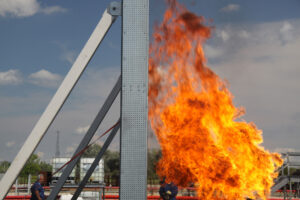
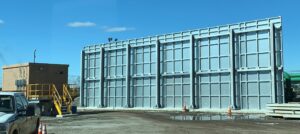
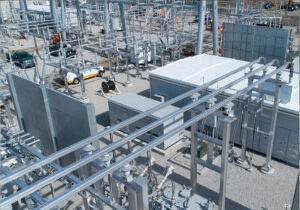
Fire barriers provide a layer of protection for transformers in areas at high risk of fire. These barriers are made from materials that resist high temperatures. They prevent fires from spreading to the transformer, reducing damage. In places with high fire risk, installing fire barriers around transformers can protect both the equipment and the surrounding property. The installation of fire barriers helps keep transformers safe from internal and external fire threats. It’s important to check these barriers for wear or damage. Proper placement and upkeep of fire barriers can greatly improve transformer safety and reliability.
Overcurrent Protection and Fault Prevention
Overcurrent protection prevents damage by stopping excessive electrical flow. This protection is important for avoiding transformer overheating and failure. When an electrical current exceeds safe limits, the overcurrent protection device shuts off the power supply. This stops the flow of electricity and protects the transformer from damage.
Keeping these protection devices in good working condition is necessary for reliable operation. Fault prevention measures, such as surge protection, guard transformers from power surges caused by lightning or other external factors. Together, these protections help maintain transformer longevity and reliability.
Meeting Regulatory Standards for Transformer Protection
Compliance with Local Transformer Protection Codes
Local transformer protection codes set clear standards for installation and maintenance. These codes cover aspects like electrical load, grounding, and environmental risks. Following these guidelines helps reduce the risk of failure, fire, and other hazards. Local codes are updated periodically, so it’s important to stay informed. Inspections verify that all requirements are met. Meeting these standards helps improve transformer safety and performance. Failing to follow them can lead to accidents and higher costs. Proper documentation and checks help catch problems early and maintain smooth operations.
Aligning Site Assessments with Industry Regulations
Site assessments confirm that transformers are installed according to industry standards. These standards are designed to protect both the equipment and the people. During an assessment, the transformer’s location, capacity, and connections are reviewed to meet guidelines. The site is also checked for risks like flooding and fire hazards. Any issues that don’t meet regulations are identified. Aligning site assessments with industry standards helps reduce risks and improve transformer performance. These steps help avoid future problems and prevent costly repairs.
Avoiding Risks with Transformer Protection Measures
Benefits of Proper Protection Planning
Proper protection planning for transformers helps reduce the risk of unexpected failures. A solid plan identifies potential hazards, such as overheating, electrical faults, and environmental threats. Installing fire barriers, surge protection, and overcurrent devices helps prevent damage to transformers.
These actions lower the chance of fires and other issues. A good plan also takes transformer placement into account, ensuring they are in safe, accessible areas. With a solid plan, transformers can operate smoothly for longer. Planning ahead reduces the need for repairs and keeps everything running smoothly.
The Importance of Routine Protection Assessments
Routine protection assessments are important for keeping transformers safe and running well. These assessments help identify problems before they become serious. The process involves checking for wear, verifying that protection devices are working, and confirming that the transformer operates within safe limits. The assessments also help detect risks like overheating or system overloads. They also check that safety measures, like grounding and fire barriers, are in place. These assessments reduce the risk of failures and help keep transformers running reliably over time.
Protect Your Transformers with Sinisi Solutions
Transformers need consistent protection to avoid damage from various risks. Site assessments focus on identifying vulnerabilities, such as issues with design, load, or environmental factors. These evaluations help you implement protection strategies like fire barriers and fault prevention. Without such evaluations, transformers face higher risks of failure. Ongoing protection planning is key to transformer longevity and performance. Don’t leave your transformers exposed to unnecessary dangers. Visit Sinisi Solutions today for a thorough evaluation. We’re located at 75 Main Street, Manasquan, New Jersey, 08736. Alternatively, you can call 732-232-2100. We’ll safeguard your systems with care.